
Exploring the psychological triggers behind gambling behavior
The allure of risk and reward
The thrill of gambling often stems from the inherent risk and potential for reward that comes with it. This mix creates a rush of adrenaline, which can be addictive. When players wager their money, they experience a heightened sense of excitement and anticipation. This emotional state can overshadow rational thinking, leading individuals to chase potential wins despite the risks involved. You can find more information at https://slotszer.casino/, where the promise of large payouts can keep players engaged, making them more likely to overlook the statistical reality of losses.

Additionally, the concept of intermittent reinforcement plays a vital role in gambling behavior. Players often receive rewards at unpredictable intervals, which can enhance their desire to continue playing. This unpredictability can create a powerful psychological effect, where gamblers become more motivated to play in hopes of hitting a jackpot. The occasional wins serve as validation for their behavior, reinforcing the cycle of gambling even when the overall outcome is negative.
Moreover, the excitement tied to the possibility of winning large sums can lead to a form of escapism. Many individuals use gambling as a means to temporarily escape from their daily stresses or problems. This emotional refuge can further entrench gambling behavior, as players seek the thrill to alleviate negative feelings. Understanding the allure of risk and reward is crucial in recognizing why gambling can become a compulsive behavior for some.
The role of cognitive biases
Cognitive biases significantly influence gambling behavior, with the illusion of control being one of the most prevalent. This phenomenon occurs when players believe they have more control over the outcome of a game than they actually do. For instance, a poker player may think their skills can directly affect the cards dealt, despite the game’s inherent randomness. This mindset can lead to overconfidence and an increased likelihood of gambling more frequently or with larger sums.
Another common bias is the gambler’s fallacy, where individuals believe that past events will influence future outcomes. For example, if a player observes a series of losses, they may convince themselves that a win is due soon. This flawed reasoning can lead to chasing losses, further increasing the financial and emotional toll of gambling. Such biases highlight the discrepancies between perception and reality, making it easier for gamblers to justify their continued play.
These cognitive distortions not only affect individual decision-making but also create a self-reinforcing cycle that encourages further gambling. Over time, these biases can become deeply ingrained, making it difficult for players to recognize the unlikelihood of their beliefs. Understanding these cognitive biases is essential in developing strategies to combat detrimental gambling behavior and promote healthier decision-making.
Social influences and peer pressure
Social influences are pivotal in shaping gambling behavior, especially among younger individuals. The desire to fit in and be accepted by peers can lead to increased gambling participation. When social circles engage in gambling activities, individuals may feel pressured to join, often without fully understanding the risks involved. This collective participation can create an environment where gambling is normalized, further entrenching the behavior.
Moreover, the portrayal of gambling in popular culture can glamorize the lifestyle associated with it. Movies, television shows, and social media often depict gambling as an exhilarating and socially rewarding activity. This representation can distort the reality of gambling, making it seem more appealing and less risky than it is. The combination of peer influence and media portrayal can significantly impact an individual’s perception of gambling, often leading to increased engagement.
Additionally, social networks can serve as both a support system and a catalyst for problematic gambling behavior. While some may find camaraderie in shared gambling experiences, this can also lead to reinforcement of negative habits. Understanding the role of social influences is crucial in addressing gambling behaviors, especially in creating interventions aimed at promoting healthier relationships with gambling.
The impact of emotions on gambling decisions
Emotional states play a critical role in gambling behavior, often influencing decisions more than rational thought. Individuals experiencing high levels of stress, anxiety, or depression may turn to gambling as a coping mechanism. This emotional connection can lead to impulsive gambling, as players seek instant gratification and relief from their feelings. In such instances, gambling serves as a temporary escape, blurring the line between recreational activity and compulsion.
Furthermore, the emotional highs and lows associated with gambling can create a rollercoaster of feelings that keeps players engaged. The euphoric rush of a win can be intoxicating, while the disappointment of a loss can lead to a dangerous cycle of chasing those highs. This emotional volatility can cloud judgment and lead to increased gambling frequency, ultimately resulting in adverse consequences. Recognizing how emotions impact gambling behavior is vital in understanding why some individuals become entrenched in this cycle.
Managing emotions is essential in mitigating problematic gambling behavior. Developing awareness of one’s emotional triggers can help individuals make more informed decisions and avoid impulsive gambling. By addressing the emotional aspects of gambling, individuals can work towards healthier coping mechanisms that do not involve risking financial stability.
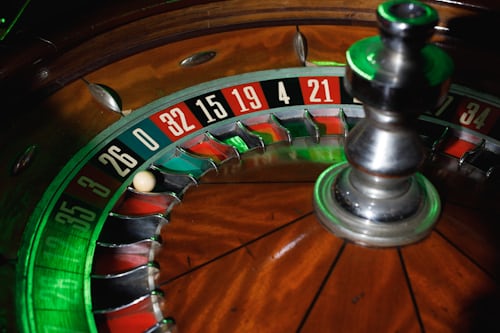
Exploring responsible gaming with Slotszer
At Slotszer, the understanding of psychological triggers behind gambling behavior informs a commitment to responsible gaming. Designed with user experience in mind, the platform incorporates features that encourage healthy gaming habits. By providing tools for setting limits and monitoring playtime, Slotszer prioritizes player well-being and fosters an environment where users can enjoy their gaming experience without falling into detrimental habits.
The wide range of games, from classic slots to table games, caters to diverse interests while promoting a balanced approach to gambling. Regular promotions and bonuses serve to enhance the experience without encouraging excessive play. The intuitive interface makes navigation seamless, allowing users to engage with the platform easily and responsibly, ultimately ensuring a more enjoyable gaming experience.
Slotszer is dedicated to creating an engaging yet responsible gaming environment. By emphasizing the importance of understanding psychological triggers, the platform aims to help players enjoy the excitement of gambling while being aware of the risks. This balanced approach can lead to a more fulfilling and sustainable gaming journey for all users.